


When Sealcoating Makes Sense And When It Doesn’t
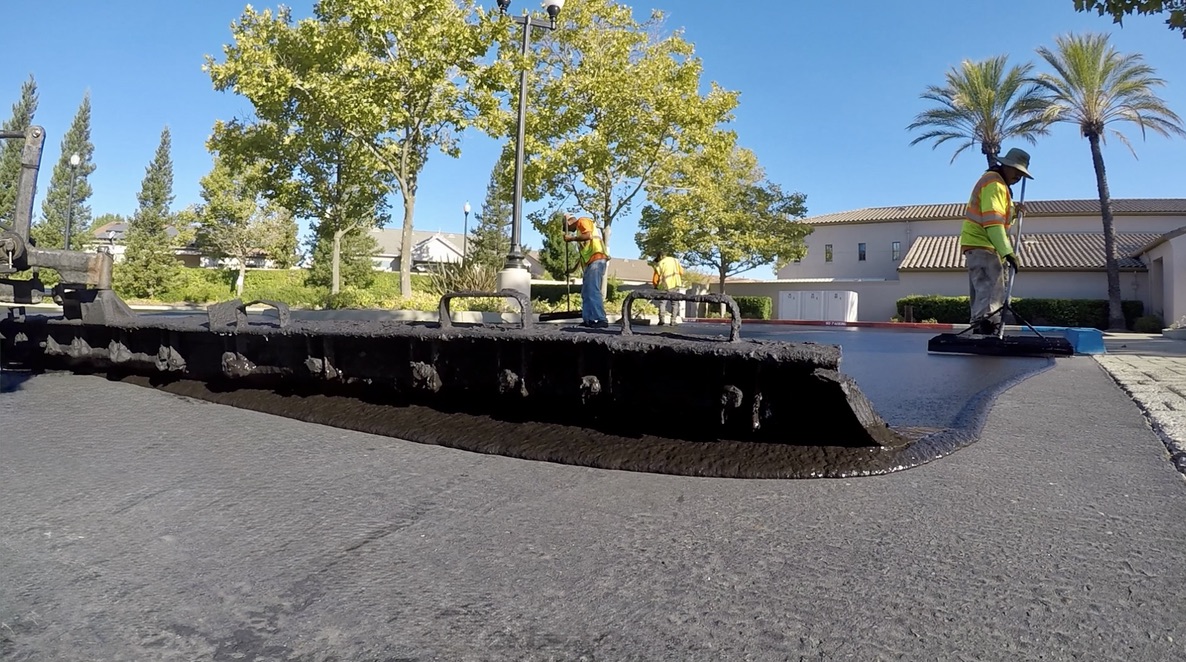
Sealcoating can be highly effective but only under the right conditions.
Sealcoating Makes Sense When:
- Asphalt is structurally sound
- Early signs of oxidation are present (fading, slight surface wear)
- The surface is free of widespread cracking or base failure
Sealcoating May Not Be the Right Solution When:
- Cracking is extensive or deep
- The pavement is already failing structurally
- Drainage issues have not been addressed
In these cases, repairs or rehabilitation should come first. Otherwise, sealcoating can mask underlying problems rather than solve them.
What Proper Surface Prep Actually Looks Like
The performance of a sealcoat depends heavily on what happens before it’s applied.
Proper preparation is what separates a long-lasting application from one that fails prematurely.
Key Preparation Steps Include:
- Thorough cleaning of the surface
- Crack sealing to prevent water intrusion
- Addressing oil spots and contamination
- Ensuring the pavement is dry and ready for proper adhesion
Skipping these steps can lead to uneven wear, premature failure, and reduced effectiveness.
How Increased Traffic Is Accelerating Surface Breakdown
The way pavement wears has changed.
Increased delivery traffic—especially from service vehicles and last-mile logistics—has introduced new stress patterns on asphalt surfaces.
Frequent stopping, tight turning movements, and heavier loads are accelerating surface breakdown in areas that traditionally lasted longer.
This makes proactive maintenance and proper timing more important than ever.
Why Combining Crack Sealing + Sealcoating Matters
Sealcoating protects the surface—but it’s most effective when paired with crack sealing.
Together, they create a more complete preservation strategy.
Benefits of Combining Both:
- Prevents water from penetrating the base
- Slows down overall pavement deterioration
- Extends the lifecycle of the asphalt
This approach isn’t just about improving appearance; it’s about protecting the structure beneath the surface.
Planning Maintenance with Purpose
The most effective pavement maintenance strategies are intentional—not reactive.
Understanding when to sealcoat, when to repair, and when to hold off can make a measurable difference in:
- Long-term performance
- Budget predictability
- Overall property condition
Plan Ahead, Protect Your Investment
Sealcoating done at the right time—and for the right reasons—can significantly extend the life of your pavement.
If you’re unsure whether your property is a good candidate, a professional evaluation can help determine the best next step.
Click “Get a Quote” to schedule a complimentary planning walkthrough and build a maintenance plan that aligns with your property’s needs.
Comments are closed